You probably think your car is fine as long as it starts. But a tiny metal ring can turn your engine into a giant paperweight. It happened to me on a road trip once. I ignored the bad piston rings symptoms and ended up stuck in a small town for three days.
Check your oil level every week to see if it drops without a leak. Look at your exhaust pipe for thick blue or gray smoke while you drive. Listen for any tapping or knocking sounds coming from the metal parts of the engine. Feel if your car has less power when you try to go up a steep hill. Buy a compression gauge to test the pressure inside each cylinder. Pour a little oil into the spark plug hole to see if the pressure goes up.
How Do You Know If Your Piston Rings Are Bad
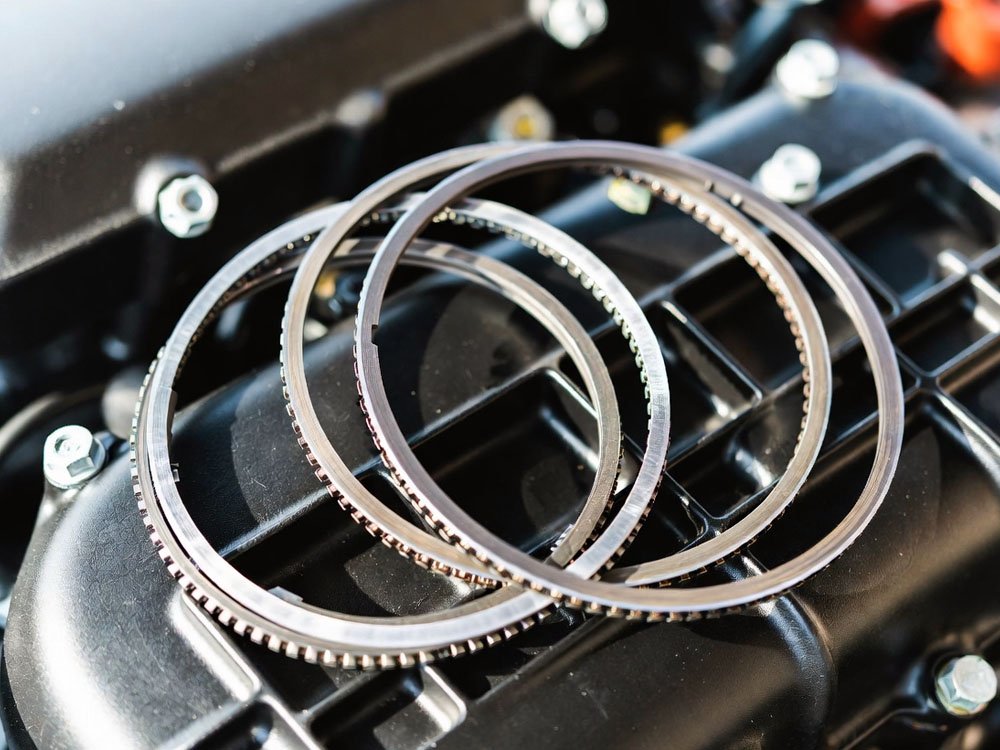
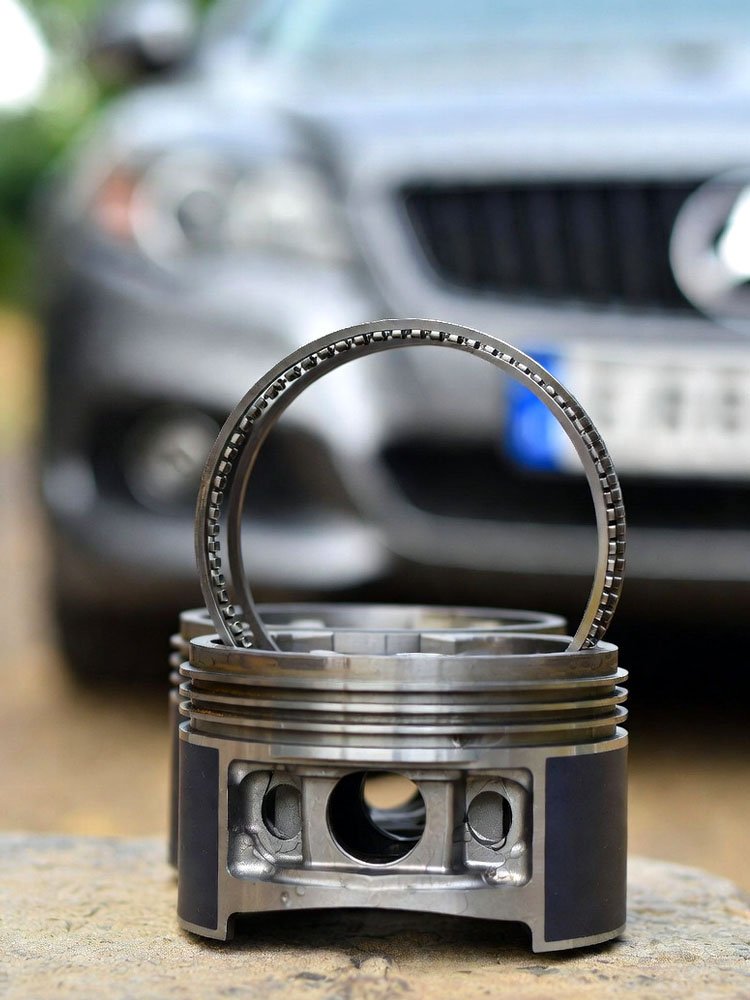
Your engine works like a big air pump. The piston rings act like a seal to keep the fire and air in the right place. When they wear out, the seal breaks and things get messy fast. You will notice your car feels tired and sluggish. It won’t have that snap when you step on the gas pedal.
The most famous sign is blue smoke. This happens because oil leaks past the worn rings and burns with the gas. It smells like burnt plastic and looks like a cloud behind you. You might also notice you’re adding a quart of oil every few hundred miles. That oil isn’t just vanishing into thin air. It is coating your spark plugs and making your engine run rough.
Checking your oil often is the best way to catch this early. If the dipstick is always low but your driveway is dry, you have a problem. Your car might also idle poorly or shake when you stop at a red light. This is because the cylinders can’t keep enough pressure to stay steady.
- Thick blue smoke comes out of the tailpipe.
- The engine uses too much oil very quickly.
- You feel a big loss of power during acceleration.
- The car shakes or vibrates while idling.
- Spark plugs look oily or covered in black soot.
- The air filter has oil on it from blow-by.
Common Bad Piston Rings Symptoms Every Driver Should Watch
The Telltale Sign of Blue Exhaust Smoke
Blue smoke is the classic warning from a dying engine. It usually shows up when you first start the car or when you floor it to pass someone. This happens because the rings can’t scrape the oil off the cylinder walls anymore. The oil stays there and burns up in a hot flash of blue mist.
I once saw a guy at a stoplight who looked like he was driving a smoke machine. He thought it was just a cold morning, but the smell gave it away. If you smell something sweet and burnt, it is oil. Don’t let a mechanic tell you it’s just a “quirk” of an old car. It’s a sign that your engine is eating itself from the inside out.
You can actually tell how bad it is by when the smoke appears. If it only happens when you let off the gas, it might be valve seals. But if it happens while you’re gaining speed, it’s almost always the rings. Keep a close eye on your rearview mirror when you pull away from a stop.
- Watch for smoke during heavy acceleration.
- Check the color in bright daylight for accuracy.
- Smell the exhaust for a distinct burnt oil odor.
- Notice if the smoke gets worse as the engine warms up.
Losing Power When You Need It Most
When rings go bad, they lose their ability to hold compression. Think of it like a bicycle pump with a hole in the hose. No matter how hard you pump, the tire stays flat. Your engine needs that pressure to push the pistons down and turn the wheels. Without it, your car feels like it’s dragging an anchor.
I’ve had people tell me their car just feels “old” when this happens. In reality, the engine is just leaking its energy into the crankcase. You might notice you have to shift gears more often to get up a hill. Or maybe the car doesn’t respond when you try to merge onto the highway. It can be a scary feeling when you need speed and it isn’t there.
One trick I use is to pay attention to the gas pedal. If you’re pushing it halfway down just to keep up with traffic, something is wrong. A healthy engine should feel snappy and eager to move. If yours feels lazy, the rings are likely tired and letting the pressure escape.
- Test the car on a steep hill to check for lag.
- Listen for a huffing sound from the oil filler cap.
- Monitor your fuel economy for a sudden drop.
- Feel for hesitations when you first hit the gas.
Excessive Oil Consumption Without Any Leaks
This is the sneaky symptom that catches most people off guard. You check your oil and find out the stick is bone dry. You look under the car and the ground is perfectly clean. This is because the engine is consuming the oil internally. The rings are letting it slip into the combustion chamber where it disappears.
I always tell my friends to check their oil every time they get gas. It only takes a minute and can save you thousands of dollars. If you find you’re adding a quart every week, stop driving and get a checkup. Running an engine low on oil will ruin the bearings and the crankshaft very quickly.
A pro tip is to check the back of your car near the exhaust. Sometimes you will see little black oily spots on the bumper. This is unburnt oil that sprayed out of the pipe. It’s a clear sign that the rings aren’t doing their job of keeping the oil in the basement of the engine.
- Track how many miles you go between oil top-offs.
- Look for oily residue on the rear bumper.
- Check the oil level when the engine is cold.
- Keep a logbook of oil usage in your glovebox.
Oil Leaking Into The Air Intake Box
This is called blow-by and it’s a mess to clean up. When the rings fail, the pressure from the fire goes down into the oil pan. This extra pressure has to go somewhere, so it pushes oil mist up through the vent tubes. It usually ends up in your air filter box or on the throttle body.
Pop your hood and open the plastic box where the air filter sits. If the filter looks greasy or has yellow gunk on it, you have blow-by. This is a very common sign of worn-out rings on older high-mileage cars. It can also make your car stall out because the oil messes with the sensors that breathe the air.
I once found a whole puddle of oil inside a customer’s air intake. They thought the air filter was just dirty, but it was actually soaked in engine oil. You should never see wet oil in the intake system. If you do, the rings are letting too much pressure escape into the bottom of the motor.
- Inspect the air filter for greasy black stains.
- Check the PCV valve to see if it’s clogged with oil.
- Wipe the inside of the intake hose for oil film.
- Look for smoke coming out of the oil dipstick tube.
Foul Smelling Gas Fumes Inside The Cabin
When the rings are bad, the engine doesn’t burn the gas completely. Some of that raw gas gets pushed past the rings and mixes with the oil. This creates a nasty smell that can waft into the car through the vents. It smells like a lawnmower or an old boat.
You might notice this smell most when you’re sitting at a red light. It can give you a headache if you breathe it in for too long. This happens because the “dirty” air under the hood is being pulled into the air conditioner. It’s a sign that the combustion process is failing.
If your oil smells like gasoline when you pull the dipstick, that’s a huge red flag. Gas thins out the oil and stops it from lubricating the metal parts. This will wear out your engine in record time. Always give your oil a quick sniff to make sure it just smells like oil and not a gas station.
- Sniff the oil dipstick for a strong gasoline scent.
- Check if the smell gets stronger when the heater is on.
- Open the hood while the engine runs to find the source.
- Watch for a drop in gas mileage along with the smell.
Hard Starting And Engine Misfires
An engine needs three things to start: fuel, spark, and compression. If the rings are shot, you lose that third piece of the puzzle. You might have to crank the starter for a long time before the engine finally kicks over. This is especially true on cold mornings when the metal parts have shrunk.
I’ve seen people replace their battery and starter three times without fixing the issue. They didn’t realize the engine just didn’t have the “squeeze” it needed to fire up. Once the engine warms up, the metal expands and the rings might seal a bit better. But that first start of the day will always be a struggle.
Misfiring is also common because oil coats the spark plugs. A wet spark plug cannot create a strong spark to light the gas. This makes the engine stumble and shake. If your “Check Engine” light is flashing, it might be because a cylinder isn’t firing due to oily buildup.
- Count how many seconds it takes for the engine to start.
- Listen for a “chugging” sound during the start-up process.
- Replace spark plugs and see how quickly they get dirty.
- Use a compression tester to check for low PSI numbers.
Is It Worth Fixing Bad Piston Rings
Deciding to fix this problem depends on how much you love your car. Replacing rings is a big job because the entire engine has to come apart. You have to take the top off, pull the pistons out, and clean everything. It usually costs a few thousand dollars at a professional shop.
If your car is old and has a lot of miles, it might be cheaper to buy a used engine. However, if the rest of the car is in great shape, a rebuild can make it run like new. I always tell people to look at the frame and the transmission first. If those are solid, then fixing the engine makes sense for the long run.
Don’t ignore the problem because it will only get worse. Eventually, a ring could break and scratch the cylinder wall. If that happens, the engine block might be ruined forever. Catching it early gives you the best chance of saving the heart of your vehicle without spending a fortune on a whole new motor.
- Get a written quote from a trusted local mechanic.
- Compare the repair cost to the total value of the car.
- Consider the price of a used engine from a junkyard.
- Check if the car has other major issues like rust.
- Ask if the warranty covers internal engine components.
- Think about how much longer you plan to keep the car.
Final Thoughts
Dealing with bad piston rings symptoms is never fun, but you can handle it. Stay calm and pay attention to the signs your car is giving you. Catching these leaks and power losses early keeps you safe on the road. Don’t wait until you’re stranded to take action. You’ve got this, so grab your tools or call your mechanic today to get your car back in top shape.
| Symptom | Cause | Severity |
| Blue Smoke | Oil burning in cylinder | High |
| Low Power | Loss of compression | Medium |
| High Oil Use | Rings not scraping walls | High |
| Oily Spark Plugs | Oil leaking past rings | Medium |
| Blow-by | Pressure in crankcase | High |
| Engine Noise | Piston slapping walls | Critical |
Frequently Asked Questions (FAQs)
Is it safe to drive with bad piston rings?
It is not very safe to drive for a long time with this issue. While the car might still move, you are constantly damaging the engine. The lack of oil can cause parts to overheat or seize up. You might also stall in the middle of traffic, which is very dangerous for everyone.
Can I fix bad piston rings without taking the engine apart?
You cannot truly fix them without an engine teardown. Some people use oil additives to temporarily soften the rings or stop leaks. These are just band-aids and won’t last long. To solve the problem, a mechanic must physically replace the worn-out metal rings with new ones to restore the seal.
Do I need a compression test to find bad rings?
Yes, a compression test is the best way to be sure. It measures the pressure each cylinder can hold. If the pressure is low, a “wet test” with a bit of oil will tell you if the rings are the cause. If the pressure jumps up with oil, your rings are definitely the problem.
Can bad piston rings cause a fire?
It is very rare but possible if the blow-by is severe. If oil sprays onto a hot exhaust manifold, it could ignite. More commonly, the oil just smokes and smells bad. However, any engine problem that involves leaking fluids and high heat should be treated as a potential fire risk to be safe.
Is blue smoke always a sign of bad rings?
Blue smoke usually means oil is burning, but it isn’t always the rings. It could also be bad valve seals or a clogged PCV system. However, if the smoke happens while you are driving at a steady speed or accelerating, the piston rings are the most likely person to blame for the mess.
Can bad oil quality cause the rings to fail?
Yes, dirty oil is the number one killer of piston rings. If you don’t change your oil, it turns into a thick sludge. This sludge sticks to the rings and prevents them from moving. Once they get stuck, they stop sealing and start wearing down the metal walls of your engine very quickly.
Do bad rings affect my gas mileage?
They definitely make your gas mileage much worse. When you lose compression, the engine has to work twice as hard to move the car. It burns more fuel to make up for the lost power. You will find yourself visiting the gas station much more often than you did when the car was new.
Is a piston soak worth trying?
A piston soak involves pouring cleaner into the cylinders to loosen stuck rings. Sometimes it works if the rings are just dirty and not worn out. It is a cheap thing to try before spending thousands on a rebuild. Just make sure to change your oil immediately after doing a soak to protect the motor.