Sometimes a car just refuses to wake up no matter how much you beg. You turn the key and hear a tiny click or absolutely nothing at all. It feels like the car is holding its breath. This scary silence is usually the first way how to know if your engine is locked up.
You should first try to turn the crankshaft by hand using a large breaker bar and a socket on the pulley bolt. If the bolt won’t budge even with a lot of force, your internal parts are likely stuck together. You should also check your oil level to see if it’s bone dry or full of metal flakes. Next, try to jump start the car to rule out a dead battery or a bad starter motor. Finally, pull the spark plugs to see if liquid sprays out when you try to crank the engine.
Can You Tell if an Engine is Seized Without a Mechanic
You can definitely figure this out on your own with a few simple tools and some patience. Most people think a car that won’t start is just a battery issue, but a locked engine feels different. When you turn the key, the lights on your dash might stay bright, but the motor won’t even try to spin. This happens because the metal parts inside are physically stuck against each other.
If you hear a loud clunking sound when you try to start the car, that’s a big red flag. That sound is the starter gear hitting the flywheel but failing to move it. You should also look under the hood for signs of extreme heat or burnt smells. Sometimes the engine gets so hot that the pistons actually weld themselves to the cylinder walls.
Checking the oil is your best next step because it tells a story. If the dipstick is dry or has thick, black sludge, your engine probably ran out of lubrication. Without oil, the friction creates enough heat to melt metal parts together. If you see silver glitter in the oil, those are pieces of your engine that have already broken off.
- Check if the dash lights stay bright when cranking.
- Listen for a single, heavy metallic click.
- Smell for burning rubber or hot metal.
- Look for smoke coming from the starter motor.
- Watch the fan belts to see if they move at all.
- Inspect the oil dipstick for metal shavings or grit.
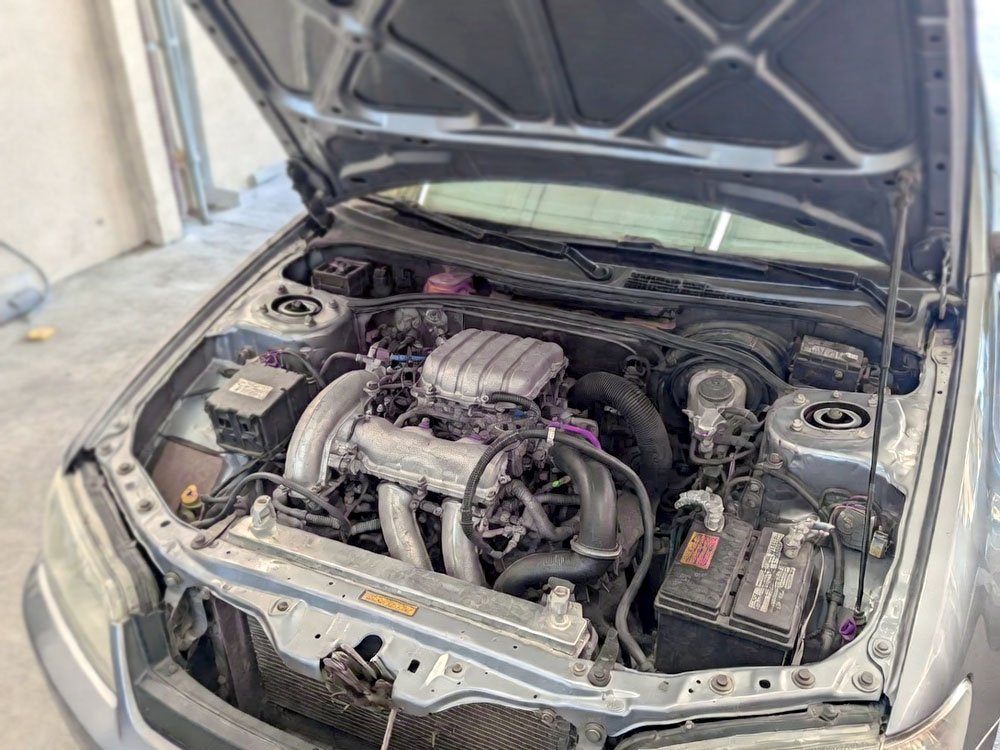
Quick Ways to Check for a Locked Engine
Check the Battery and Starter First
Before you panic about a dead motor, you should make sure the electricity is flowing correctly. A weak battery often acts like a locked engine because it can’t give the starter enough juice to turn the heavy crank. You should use a multimeter to check if your battery has at least 12.6 volts. If the voltage is low, give it a good charge or try a jump start from a healthy car.
The starter motor itself can also fail and get stuck in the “on” position. Sometimes the internal gears of the starter break and jam against the engine’s flywheel. You can try tapping the starter lightly with a hammer while someone else turns the key. This old trick can sometimes vibrate the gears loose if they are just slightly misaligned or stuck.
If the battery is strong and the starter is fine, but the engine still won’t turn, the problem is deeper. You should watch the lights on your dashboard while you try to start the car. If the lights get very dim but the engine doesn’t move, the starter is trying hard but the engine is resisting. This is a classic sign that something inside the block is physically stopping the rotation.
- Test the battery voltage with a digital meter.
- Clean any corrosion off the battery terminals.
- Check the thick wire going to the starter.
- Tap the starter housing gently with a tool.
Try to Turn the Crankshaft Manually
This is the most honest test you can do for your car. You will need a long breaker bar and a socket that fits the large bolt in the center of the bottom pulley. This pulley is attached directly to the crankshaft, which is the heart of your engine. Put your car in neutral and try to rotate that bolt clockwise with your bar.
A healthy engine will be hard to turn because of air pressure, but it will eventually move smoothly. If you lean on that bar with all your weight and it doesn’t move an inch, you have a locked motor. You shouldn’t bounce on the bar or use a pipe for extra leverage yet. If you push too hard on a stuck engine, you might snap the bolt off inside the crank.
Pro tip from the shop floor is to remove the serpentine belt before you try this. Sometimes a frozen alternator or an AC compressor locks up so hard that it stops the whole engine from turning. If the engine spins easily once the belt is off, you just need a new accessory, not a whole new motor. This simple step saves people thousands of dollars every single year.
- Use a half inch drive breaker bar.
- Rotate the engine in a clockwise direction.
- Remove the drive belts to isolate the block.
- Feel for any “crunchy” sensations while turning.
Inspect the Engine Oil Quality
Your oil is like the blood of your car and it shows exactly what is happening inside. You should pull the dipstick and look at the color and the texture of the fluid. If the oil looks like chocolate milk, you have water or coolant leaking into the engine. This can cause “hydrolock,” where liquid fills the cylinders and stops the pistons from moving.
If the oil is very low or completely gone, the engine likely overheated and seized up. You should also look for “glitter” or tiny metal flakes reflecting in the light. These flakes are actually bits of bearings that have been ground down because there wasn’t enough grease. When bearings fail, they can wrap around the crankshaft and lock it tight like a vice.
A neat trick is to drain the oil into a clean pan and run a magnet through it. If the magnet picks up a lot of metal fuzz, your internal parts are shredding themselves. You should also smell the oil to see if it smells like it was on fire. A burnt, acrid smell means the engine reached temperatures high enough to damage the metal’s strength.
- Look for a milky tan color in the oil.
- Check for shiny metal bits on the dipstick.
- Smell for a heavy, burnt scent in the fluid.
- Check the oil filter for heavy metal debris.
Remove the Spark Plugs for Liquid
Liquid does not compress like air does, so if water gets inside, the engine stops instantly. You should remove all the spark plugs and try to turn the engine over again. This opens up the cylinders so any trapped liquid has a place to go. If the car was in a flood or had a bad head gasket, this is a very common issue.
Once the plugs are out, watch the holes while someone tries to crank the engine. If a big spray of water or gasoline shoots out, you found your problem. This is actually good news because it means the engine might not be broken, just “clogged” with fluid. After the liquid is gone, the engine should spin freely again with the breaker bar.
You should also look at the tips of the spark plugs themselves for clues. If a plug is smashed or has metal welded to it, something broke inside that cylinder. A broken valve or a snapped piston rod will fly around and jam the engine from the inside. If the plugs look clean and dry but the engine still won’t move, the “lock” is likely in the bearings.
- Label each spark plug wire before removing.
- Use a flashlight to look down the plug holes.
- Check if the plug electrodes are bent or broken.
- Look for wet fuel or green coolant on the plugs.
Look for Signs of Heat Damage
An engine that gets too hot can actually change shape and weld itself together. You should look at the plastic covers and wire looms around the engine block. If they are melted or warped, the engine reached a scary level of heat. High heat makes the metal pistons expand until they are too big for the holes they live in.
Check the coolant overflow tank to see if it’s empty or if it has oil floating in it. Often, a cooling system failure leads directly to a locked engine on the highway. You might see “heat tabs” on the back of the cylinder heads if it’s a rebuilt motor. These tabs melt at specific temperatures to show if the engine was mistreated or run without water.
A secret tip is to look at the engine paint or the stickers on the valve covers. If the paint is bubbling or the stickers are charred and brown, that motor was cooking. Usually, if an engine locks from heat, it stays locked even after it cools down. The metal surfaces “gall” or tear each other up, creating a permanent bond that is very hard to break.
- Check for melted plastic wire connectors.
- Look for bubbling paint on the engine block.
- Inspect the radiator for leaks or cracks.
- See if the coolant smells like exhaust fumes.
Evaluate the Timing Belt or Chain
The timing belt keeps the top half and the bottom half of your engine working together. If this belt snaps while you are driving, the pistons can hit the valves. In many cars, this creates a “mechanical interference” that jams everything up instantly. You should pull the plastic timing cover back just enough to see if the belt is still tight.
If you see a bunch of shredded rubber or a loose chain, your timing is definitely gone. When the timing breaks, the engine might spin part way and then hit a hard stop. It feels like hitting a wall with your breaker bar. This is because a piston is literally pushing against a metal valve that is stuck in the open position.
You can sometimes see this by looking through the oil fill cap while someone turns the engine. If the parts you see inside the top of the engine don’t move while the bottom moves, the link is broken. Replacing a belt is cheap, but fixing bent valves usually requires taking the whole top of the engine off. This is one of the most common ways an engine “locks” during normal driving.
- Check if the timing belt has missing teeth.
- Listen for a fast, uneven sound during cranking.
- Look for metal shavings near the timing gears.
- Feel if the belt has any tension left at all.
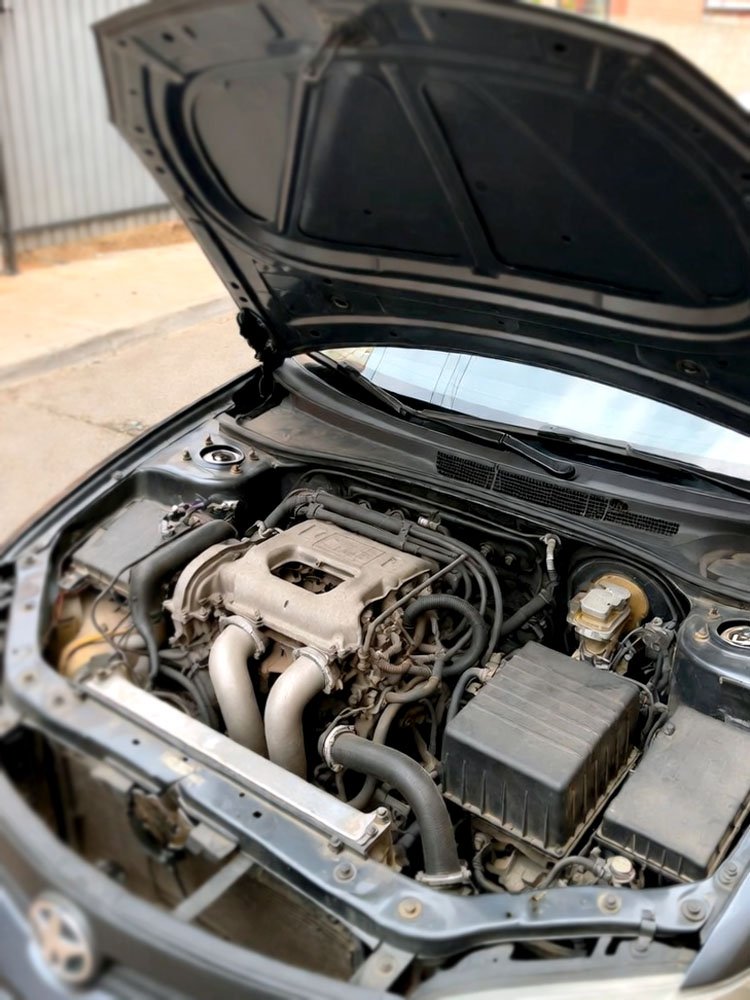
How to Fix a Seized Engine From Sitting
If a car sits outside for years, moisture gets into the cylinders and creates rust. This rust acts like glue between the piston rings and the cylinder walls. You should not try to force it to start with the battery right away. If you do, you might snap a piston ring or score the walls badly, which ruins the block forever.
Instead, you should pour a mixture of thin oil and “mystery oil” into each spark plug hole. Let this soak for several days so the chemicals can eat through the rust. You should go out every day and give the crankshaft a tiny nudge with your breaker bar. Eventually, you will feel the rust “pop” and the engine will start to move just a little bit.
Once it moves a tiny bit, keep rocking it back and forth gently. Don’t try to go all the way around until it feels very smooth in both directions. After it spins freely, you should change the oil and filter before you ever try to start it. This gets rid of all the rust flakes and old chemicals you poured down the spark plug holes.
- Use a 50/50 mix of acetone and ATF fluid.
- Let the soaking oil sit for at least three days.
- Remove the spark plugs before trying to turn it.
- Change the oil immediately after it breaks loose.
- Turn the engine by hand for twenty full rotations.
- Install new spark plugs after the cylinders are dry.
Final Thoughts
Dealing with a dead car is stressful, but now you know how to know if your engine is locked up. You should take it one step at a time and stay calm while you test. Most of the time, you can find the answer with just a few basic tools. If it is truly locked, don’t give up hope yet. You’ve got this, and you can decide the best way to fix it!
| Symptom | Possible Cause | Fix Level |
| Single Click Sound | Weak Battery | Easy |
| Metal Flakes in Oil | Bearing Failure | Hard |
| Water in Cylinders | Hydrolock | Medium |
| Melted Wire Plugs | Overheating | Hard |
| Snap Sound then Stop | Timing Failure | Hard |
| Stuck After Sitting | Cylinder Rust | Medium |
Frequently Asked Questions (FAQs)
Is it worth fixing a seized engine?
It depends on the value of your car and how much damage happened inside. If the engine locked because of a broken timing belt, you might just need a head job. However, if the block is cracked or the crank is welded, a full replacement is usually cheaper. You should get a quote for a used engine first.
Can I unlock an engine by towing it?
You should never try to “bump start” a car that you think is locked up. Forcing the engine to turn by using the weight of the moving car can cause a massive explosion of parts. It can break the transmission or snap the crankshaft in half. Always try to turn the motor by hand first.
Do I need special tools to check a locked motor?
You only need a few basic hand tools to do a professional check. A large breaker bar and a socket set are the most important things to have. A flashlight and a basic multimeter for the battery also help a lot. Most of these can be borrowed from an auto parts store for free.
Can a bad starter look like a seized engine?
Yes, a bad starter is the most common thing people mistake for a locked motor. If the starter motor shorts out, it can’t turn the engine at all. It makes a heavy “thunk” that feels like the engine is stuck. You should always test the starter and battery before you assume the worst about your car.
Is it possible for an engine to lock from too much oil?
It is very rare, but too much oil can cause serious problems. If the oil level is high enough to hit the spinning crankshaft, it turns the oil into foam. Foam doesn’t lubricate well, which leads to overheating and seizing. Also, if oil leaks into the cylinders, it can cause a liquid lock just like water.
Can cold weather lock up my car engine?
Extreme cold can freeze the fluids inside your engine if you don’t use the right mix. If your coolant is mostly water, it will turn to ice and expand. This can crack the engine block or stop the water pump from turning. Usually, once the engine thaws out, it will turn again unless something actually cracked.
Do I have to pull the engine to see if it’s stuck?
You do not need to pull the engine out of the car to run these tests. You can do everything from the top of the engine bay or by reaching underneath. Only after you confirm the engine is truly broken do you need to think about taking it out. It is much easier to test it while it’s still bolted in.
Can a seized engine be caused by a bad alternator?
An alternator has bearings inside just like an engine does. If those bearings fail and the alternator seized up, the belt will hold the engine back. The engine isn’t actually broken, but the belt won’t let it spin. You can find this out quickly by removing the belt and trying to start the car.