Sometimes the morning air hits your face and you realize the world has turned into a giant ice cube. You pull the handle, but nothing happens. It feels like the car is holding its breath. This happens because moisture seeps into the rubber seals and freezes them shut. I will show you how to unfreeze a car door without breaking the handle or ruining the paint.
To unfreeze a car door quickly, start by pushing firmly on the door to break the ice seal before pulling. You can also pour lukewarm water, never boiling, over the rubber seals or use a commercial de-icer spray. If you have a hairdryer nearby, use it on a low setting to warm the lock and edges. Another great trick is spraying a little WD-40 or silicone lubricant on the seals ahead of time to prevent the ice from sticking in the first place.
Why Do Car Doors Freeze Shut in the Winter
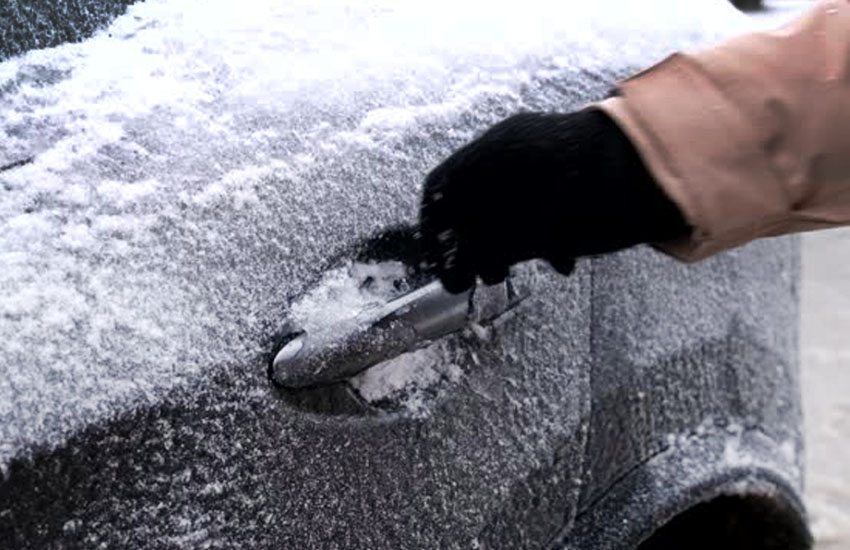
The main reason your door is stuck isn’t just the cold temperature. It is actually about the moisture that gets trapped between the rubber weatherstripping and the metal frame of the car. During the day, snow or rain might melt and run into those tiny gaps. When the sun goes down and the temperature drops, that water turns into a solid layer of glue.
You also have to worry about the internal lock mechanism. If water gets inside the keyhole or the latch assembly, the moving parts literally seize up. You might be able to turn the key, but the internal levers won’t budge. This is why a door might feel “loose” but still refuse to pop open when you give it a tug.
In my years in the shop, I have seen people pull so hard they actually rip the rubber seals right off the door. That is an expensive mistake. The rubber is designed to be flexible, but it becomes brittle when it is frozen. If you force it, you are going to end up with a whistling sound every time you drive down the highway because the seal is ruined.
- Moisture builds up in the weatherstripping overnight.
- Fluctuating temperatures create a cycle of melting and freezing.
- Worn out rubber seals allow more water to enter the gaps.
- Internal latch grease can thicken and freeze in extreme cold.
- Ice can form inside the keyhole and block the tumbler.
- Car covers can sometimes trap humidity against the door frame.
The Best Professional Methods to Unfreeze Your Car Door
Use the Power of Body Weight
Before you go grabbing tools or chemicals, try using your own strength in the opposite direction. Instead of pulling the handle, lean your weight against the door and push. You want to hear a little “crack” sound. That is the sound of the ice breaking between the rubber and the metal. I usually put my hip into it or use the palm of my hand to apply steady pressure all the way around the door frame.
Most people make the mistake of pulling harder when the door is stuck. That just puts stress on the plastic handle, which can snap off in your hand. By pushing first, you compress the seal and shatter the thin layer of ice. This is the safest way to start because it involves zero chemicals and zero heat. It works surprisingly well on light ice coatings and saves you a lot of time and potential damage to the trim.
I have seen dozens of broken door handles in the winter because people treat them like a gym weight. Your car handle is usually just plastic held on by a couple of small bolts. If you push the door in and hear that crunch, you are halfway there. Once the ice is broken, the handle should operate normally. Just be sure to wipe away any loose ice bits so they don’t refreeze the moment you shut the door again.
- Lean your shoulder into the door frame for maximum leverage.
- Listen for the “crackle” of breaking ice as you apply pressure.
- Avoid pushing on the glass because it can shatter if frozen.
- Keep your feet planted firmly so you don’t slip on the ice.
Apply Lukewarm Water Carefully
If pushing doesn’t work, you might need to use a little bit of heat. Fill a pitcher with lukewarm water from your kitchen sink. Do not use boiling water. If you pour boiling water on a freezing cold window, the thermal shock can cause the glass to explode. I have seen it happen, and it is a mess to clean up. Just aim the warm water at the seal where the door meets the roof.
Start at the top and let the water flow down the sides of the door. The heat will melt the ice bond in seconds. Once the door opens, you have to act fast. Grab a dry towel and wipe every single drop of water off the rubber seals. If you leave that water there, it will freeze again even harder than before. This is a quick fix, but the cleanup is the most important part of the entire process.
An old pro tip is to use a bit of vinegar mixed with the water if the ice is really thick. However, plain warm water usually does the trick for most situations. Always carry a rag with you so you can dry the door jambs thoroughly. I also recommend checking the bottom of the door where water tends to pool and freeze. If that area stays wet, you will be stuck again in an hour.
- Use water that is roughly the temperature of a warm bath.
- Pour slowly to give the heat time to penetrate the ice.
- Dry the weatherstripping immediately with a microfiber cloth.
- Never pour water directly into the lock cylinder or handle.
Utilize a Commercial De-Icer Spray
A can of de-icer is probably the best tool you can keep in your house during the winter. These sprays usually contain isopropyl alcohol or ethylene glycol, which lower the freezing point of water. You just spray it along the edges of the door and wait a minute. You can actually watch the ice turn into a slushy liquid right before your eyes. It is much faster than waiting for the car to warm up.
I always tell people to keep the de-icer inside their house, not inside the car. If the car is frozen shut, the spray is useless if it is sitting on the passenger seat. Spray it liberally into the cracks and even a little bit into the keyhole if the lock is stuck. The alcohol helps displace the water and prevents it from refreezing immediately. It is a very clean method that doesn’t leave a big mess like water does.
If you don’t have a commercial spray, you can make your own by mixing two parts rubbing alcohol with one part water in a spray bottle. It works exactly the same way and costs almost nothing. I use this at the shop all the time when we have a lot of cars sitting outside overnight. It saves us from having to run extension cords for heat guns or hairdryers across the parking lot.
- Keep the spray bottle in a warm place for better performance.
- Wait at least sixty seconds after spraying before trying the handle.
- Spray the latch mechanism directly if the door won’t stay latched.
- Avoid getting the chemicals on your skin or in your eyes.
Try a Portable Hairdryer
If you have an extension cord long enough to reach your driveway, a hairdryer is a fantastic tool. It provides a controlled amount of heat that won’t damage your paint or glass. Turn it to the highest heat setting but keep it moving. You don’t want to hold it in one spot for too long, or you might melt the rubber. Focus the air on the door handle and the edges where the seals are located.
This method takes a bit longer than water or spray, but it is very safe. It is especially good for unfreezing the internal lock tumblers. If your key won’t go in or won’t turn, blow the hot air directly into the keyhole for about two minutes. You will feel the metal warm up, and eventually, the ice inside will melt away. It is a much better option than trying to force the key with pliers.
One thing to remember is that you should never use a high-powered heat gun meant for stripping paint. Those get way too hot and will bubble your car’s clear coat in a heartbeat. Stick to the basic hairdryer you use for your hair. It is plenty of heat for this job. Once the door is open, keep the dryer running for a second to evaporate any moisture left behind in the lock.
- Use a heavy-duty extension cord rated for outdoor use.
- Keep the dryer about six inches away from the car’s surface.
- Target the latch area specifically to free up the moving parts.
- Check the cord for any frays or damage before plugging it in.
Use Your Other Doors
It sounds obvious, but sometimes we get so focused on the driver’s side door that we forget there are three other ways into the car. Usually, one side of the car is facing the sun or is shielded from the wind. Check the passenger door or the rear doors. If you can get into any door, you can start the engine. Once the interior of the car warms up, the driver’s door will thaw from the inside out.
Climbing over the center console isn’t glamorous, but it beats standing in the snow for twenty minutes. Once you get the heater going, set it to the floor and defrost settings. The heat will rise and eventually penetrate the door panels. This is the “lazy” way to do it, but it is often the most effective if you aren’t in a huge rush. It also warms up the engine oil, which is good for the car.
I have spent many mornings crawling through the hatchback of an SUV to get the engine running. Just be careful not to kick any buttons or levers while you are moving around the cabin. If you have a remote starter, you are already ahead of the game. Just let it run for ten or fifteen minutes before you even head outside. The heat from the vents is usually enough to loosen the ice bond.
- Check every door handle including the trunk or tailgate.
- Use the sun’s natural heat by parking facing the east.
- Turn the heater to maximum once you get the engine started.
- Clear the snow off the roof so it doesn’t slide onto the doors.
I hope these steps helps you get back on the road without any broken parts or frozen fingers. Dealing with the cold is part of owning a car, but it doesn’t have to ruin your morning. Just remember to be patient and never use brute force when you are trying to figure out how to unfreeze a car door. If you follow these steps and take a second to prep your seals next time, you’ve got this.
Prevention with Silicone or Cooking Spray
The best way to handle a frozen door is to make sure it never happens. You can buy a can of silicone lubricant at any auto parts store. Spray it onto a rag and wipe down all the rubber weatherstripping. This creates a waterproof barrier that prevents moisture from sticking to the rubber. If the water can’t stick, it can’t freeze the door shut. It is a simple ten-minute job that saves a lot of headaches.
In a pinch, you can even use non-stick cooking spray from your kitchen. It works on the same principle by using oil to repel water. However, silicone is better because it doesn’t get gummy over time and won’t attract dirt. I usually do this once in November and it lasts the entire winter. It also keeps the rubber from drying out and cracking, so it is actually good for the long-term health of your car.
Another tip is to check your door drains. At the bottom of every car door, there are small holes designed to let water out. If these are clogged with dirt or leaves, water will sit inside the door and freeze. Take a small screwdriver and poke those holes to make sure they are clear. Keeping the inside of the door dry is just as important as keeping the outside dry when the mercury starts to drop.
- Wipe away excess lubricant so it doesn’t get on your clothes.
- Apply the treatment to the trunk and hood seals as well.
- Reapply after you go through a high-pressure car wash.
- Look for “dry” silicone sprays to avoid a greasy residue.
How to Deal with a Frozen Lock Cylinder
If your car is an older model and you actually have to put a key into the door, a frozen lock is a nightmare. You might be able to get the door seals loose, but if the latch won’t click over, you aren’t going anywhere. You can try heating the key with a lighter for a few seconds and then sliding it into the lock. The hot metal will melt the ice inside the tumbler.
Be very careful not to get the key too hot, especially if it has a plastic head with a transponder chip inside. You only need a little bit of heat to break the ice. Another trick is to use a straw to blow your warm breath directly into the keyhole. It sounds silly, but the concentrated heat from your lungs can often thaw a small amount of ice in a minute or two.
If the lock is really stubborn, use a dedicated lock de-icer. These come in tiny tubes that you press against the keyhole. They shoot a small burst of alcohol inside to melt the ice and lubricate the parts. I always recommend keeping one of these in your jacket pocket during the coldest months. Once the lock turns, give it a quick spray of graphite lubricant to keep it moving smoothly for the rest of the season.
- Never force the key or you might snap it off in the lock.
- Avoid using WD-40 in locks long-term as it can gum up.
- Heat the metal part of the key only, away from the plastic.
- Use a straw to direct your breath for better heat transfer.
- Check if your key fob battery is weak if the remote fails.
- Keep a spare key in the house in case you bend the main one.
Quick Comparison of Thawing Methods
| Method | Speed | Safety Level | Equipment Needed | Cost | Effectiveness |
| Pushing Door | Very Fast | High | None | $0 | Medium |
| Warm Water | Fast | Medium | Pitcher / Water | $0 | High |
| De-Icer Spray | Fast | High | Spray Bottle | $5 | Very High |
| Hairdryer | Slow | High | Extension Cord | $0 | High |
| Climbing In | Medium | High | Physical Effort | $0 | High |
| Key Heating | Medium | Low | Lighter / Match | $1 | Medium |
FAQs
Is it safe to use boiling water on my car door?
No, you should never use boiling water. The extreme temperature difference between the boiling water and the freezing cold glass or metal can cause the glass to shatter or the paint to crack. Always stick to lukewarm or warm water. It provides enough heat to melt the ice without the risk of thermal shock damage.
Can I use a credit card to scrape the ice from the door seals?
You can try, but be careful. A credit card is usually too soft to do much against thick ice and might snap. A plastic ice scraper is better. Never use a metal screwdriver or a knife, as you will definitely scratch the paint or tear the rubber weatherstripping, leading to leaks and rust later.
Do I need to dry the door after using warm water?
Yes, this is a critical step. If you do not dry the door jambs and the rubber seals immediately, the water you just poured will freeze again. This can make the door even harder to open the next time. Use a clean microfiber towel or any dry rag to soak up all the moisture.
Is WD-40 safe for my car’s rubber seals?
WD-40 can be used in an emergency to displace water, but it is not the best long-term solution for rubber. Over time, petroleum-based products can cause some types of rubber to swell or degrade. It is much better to use a silicone-based lubricant spray which is specifically designed to protect and preserve rubber.
Can a remote starter prevent my doors from freezing?
A remote starter helps a lot because it warms up the interior of the car. However, it might not completely melt thick ice on the outside of the door seals if the temperature is extremely low. It is a great first step, but you might still need to push on the door to break the ice.
Is it okay to use a space heater to thaw my car?
You should avoid using a space heater near your car. They are not designed for outdoor use and can be a major fire hazard. A handheld hairdryer is much safer because you are holding it and controlling the heat. Space heaters can also melt plastic trim if left unattended too close to the vehicle.
Do car covers prevent doors from freezing shut?
Sometimes they help, but they can also make things worse. If moisture gets trapped under the cover, it can freeze the cover itself to the car. If you use a cover, make sure it is a high-quality, breathable material. Generally, keeping the seals lubricated is more effective than using a cover for this specific problem.
What should I do if the handle feels like it is going to break?
Stop pulling immediately. If you feel a lot of resistance, the ice bond is stronger than the plastic handle. Switch to the “pushing” method or use a de-icer. Replacing a broken door handle is a tedious job that involves taking the interior door panel off, so it is worth the extra few minutes to be gentle.