You probably think your car is just a machine, but it actually tries to talk to you when it feels sick. Most drivers don’t realize that a tiny spinning wheel makes their engine powerful. If you ignore turbocharger failure symptoms, your wallet will definitely feel the pain very soon.
Check your oil levels every single week because dirty oil kills turbos faster than anything else. Listen for loud whistling or grinding noises that sound like a dental drill under your hood. Look at your exhaust pipe for blue or grey smoke when you step on the gas pedal. Watch your dashboard for a glowing check engine light or a sudden drop in power. Keep your air filter clean to stop dust from hitting the spinning blades inside the turbo.
What Are the Most Common Turbocharger Failure Symptoms?
Your car usually gives you plenty of warnings before the turbo totally breaks down. One of the first things you’ll notice is a huge loss of power. You press the pedal, but the car just crawls along like it’s tired. This happens because the turbo can’t push enough air into the engine anymore.
Next, you might see thick smoke coming out of the back of your car. If the smoke looks blue or grey, it means oil is leaking into the exhaust system. This is a big red flag that the internal seals have failed. You should pull over and stop the car if the smoke gets too thick to see through.
Lastly, listen for strange sounds coming from the engine bay. A healthy turbo makes a faint whoosh sound, but a broken one screams. It might sound like a siren or a very high-pitched whistle. These noises mean the internal parts are touching things they shouldn’t.
- Sudden loss of acceleration during highway driving.
- Loud whining noises that get louder as you speed up.
- Clouds of blue or grey smoke from the tailpipe.
- The check engine light stays on your dashboard.
- The boost gauge shows very low or no pressure.
- Oil pooling around the turbo housing or pipes.
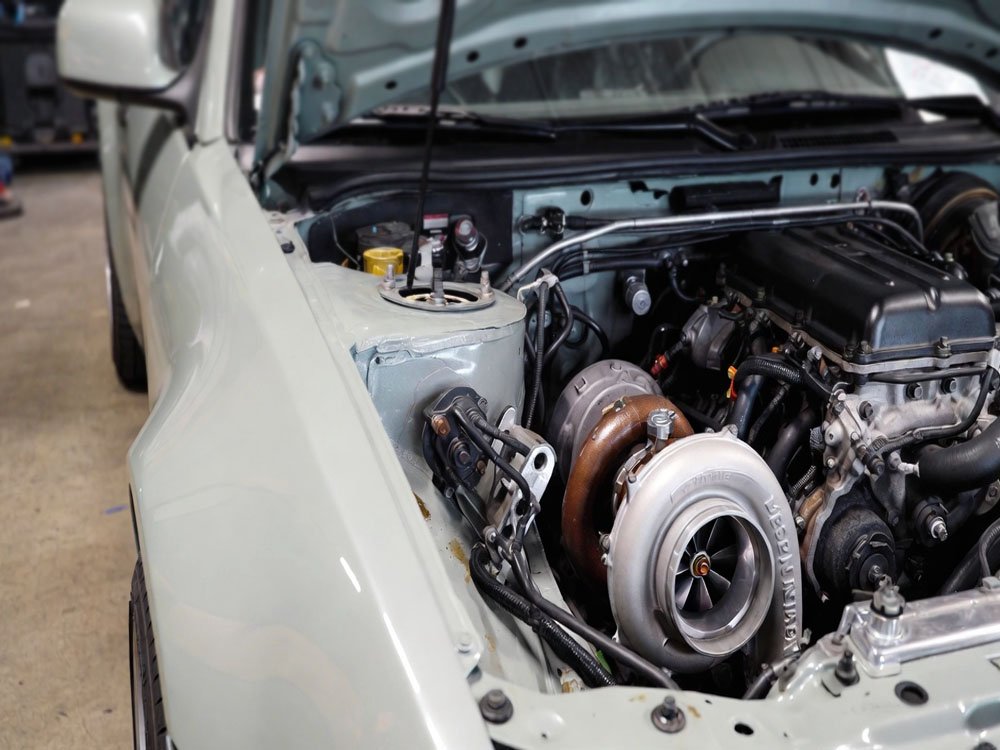
How to Spot Early Turbocharger Failure Symptoms Like a Pro
Watch for the Deadly Blue Smoke
If you see blue smoke, your car is burning oil where it shouldn’t. This usually happens because the seals inside the turbo are worn out or cracked. Oil leaks past these seals and goes straight into the hot exhaust or the engine intake. It’s a messy problem that can clog up your expensive catalytic converter if you don’t fix it.
I’ve seen people ignore a little puff of smoke, only to have their engine fail a week later. Don’t be that person because a new engine costs way more than a turbo repair. Sometimes the smoke only shows up when the engine is warm, so check it after a long drive. If you smell something burning like toast, that’s another sign of leaking oil hitting hot metal.
Always check your oil dipstick if you see smoke. If the oil level is dropping fast, you know the turbo is drinking it up. Also, look for oil stains on the pavement where you park your car at night. Little drips can lead to big disasters if the turbo runs dry and snaps its shaft.
- Check the tailpipe for oily soot or wet residue.
- Monitor your oil consumption every few hundred miles.
- Look for smoke specifically during hard acceleration.
- Smell the exhaust for a sweet or burnt odor.
Listen for the Infamous Dentist Drill Sound
A bad turbo doesn’t stay quiet for long. When the bearings inside start to go bad, the spinning wheel wobbles and hits the metal housing. This creates a sound that people often compare to a dentist’s drill or a police siren. It’s a very distinct, high-pitched noise that rises and falls with your engine speed.
Here is a pro tip that most mechanics won’t tell you right away. Take a long screwdriver and touch the handle to your ear and the other end to the turbo. It works like a stethoscope and lets you hear the grinding inside clearly. If you hear metal hitting metal, stop the engine immediately to prevent shards from flying into your cylinders.
You can also check the sound by revving the engine while the car is parked. If the whistle is loud even when you aren’t moving fast, the blades are likely bent. This usually happens when a small piece of dirt or a bolt gets sucked into the intake. It ruins the balance of the wheel and makes it scream in pain.
- Listen for a rising siren sound during gear shifts.
- Notice if the whistle turns into a grinding noise.
- Check if the sound disappears when you let off the gas.
- Use a mechanic’s stethoscope to find the exact noise source.
Feel the Frustrating Loss of Boost
When the turbo fails, your car loses its “get up and go” feeling. You might try to pass a truck on the highway and realize your car isn’t moving any faster. It feels like the engine is gasping for air because the turbo isn’t forcing it in. This is often called “limp mode” by car computers to protect the engine.
I once worked on a car where the owner thought the transmission was slipping. It turned out the turbo was just so clogged with carbon that it couldn’t spin fast enough. If your car feels heavy or sluggish, the turbo is the first place you should look. It’s like trying to run a marathon while breathing through a tiny straw.
Check your boost gauge if your car has one built into the dashboard. If the needle stays at zero or fluctuates wildly, you have a pressure leak or a stuck valve. Sometimes the wastegate gets stuck open, which lets all the power escape out the exhaust. This makes the car feel like a slow, old tractor instead of a modern machine.
- Test the 0 to 60 speed to see if it’s slower.
- Look for a “reduced power” message on the screen.
- Feel for “surging” where the car speeds up in pulses.
- Check for loose rubber hoses connected to the turbo.
Scan for the Check Engine Light Codes
Your car’s computer is actually very smart and watches the turbo pressure constantly. If the pressure is too high or too low, it will trip the check engine light. You can buy a cheap scanner tool to read the codes yourself at home. Look for codes like P0299, which usually means “underboost” or a failing turbo system.
Most people see the yellow light and panic, but it’s actually your best friend. It tells you exactly what part is unhappy before the whole thing explodes. If the light flashes, that means the problem is very serious and you should stop driving. A steady light usually means you have a bit of time to get to a shop.
In my years under the hood, I’ve found that sensors fail just as often as the metal parts. Sometimes a dirty “MAP” sensor tells the computer the turbo is bad when it’s actually fine. Cleaning these sensors with a special spray can save you thousands of dollars. Always check the electronics before you go out and buy a whole new turbocharger unit.
- Read the fault codes using an OBD2 scanner tool.
- Research the specific code online for your car model.
- Clear the code and see if it comes back quickly.
- Inspect the wiring harness for any melted or frayed wires.
Inspect for Hidden Oil Leaks and Grime
Turbos get very hot, which means any oil leaking nearby will turn into a crusty black mess. Pop your hood and look for dark, oily stains around the turbo pipes. If you see wet oil, you have a fresh leak that needs a new gasket or hose. This is a very common issue on older cars that have high mileage.
Check the “intercooler” pipes, which are the big tubes leading away from the turbo. If you pull one off and oil pours out, your turbo seals are definitely toast. A tiny bit of oil film is normal, but a puddle is a disaster waiting to happen. That oil can actually cause the engine to run away and spin until it breaks.
Keep an eye on the oil return line, which is the pipe that carries oil back to the engine. If this pipe gets clogged, the oil backs up into the turbo and forces its way out the seals. Replacing a cheap pipe is much easier than replacing the whole turbo. Always make sure your oil is fresh and the right weight for your specific car.
- Wipe down the turbo and check for new leaks later.
- Tighten the clamps on all the rubber air hoses.
- Look for cracks in the metal exhaust manifold nearby.
- Check the air filter for any signs of oil spray.
Observe the Glow of the Exhaust Manifold
In some extreme cases, a failing turbo will cause the exhaust area to get way too hot. If you drive at night and see a red glow coming from under the hood, something is wrong. This usually means the turbo is glowing red because it’s restricted or the fuel mix is bad. It can actually melt the metal parts if you keep driving like that.
I remember a customer who thought his car had “cool underglow” lights, but it was just his turbo melting. If the internal parts are stuck, the hot exhaust gas just sits there and cooks the metal. This destroys the heat-resistant coatings and makes the metal brittle and weak. It can even start a fire if it gets close to plastic parts.
Lastly, check the “wastegate” arm to see if it moves freely by hand when the engine is cold. If it’s frozen in place, the turbo can’t control its own temperature or pressure. A little bit of high-heat grease can sometimes fix a sticky arm and save the turbo. Just be careful because that area stays hot for a long time after you turn the car off.
- Look for discolored metal that looks rainbow or purple.
- Check for warped surfaces where the turbo meets the engine.
- Test the wastegate actuator with a small vacuum pump.
- Ensure the heat shields are still in place and solid.
Can You Still Drive Your Car With a Bad Turbo?
Technically, you can drive a car with a bad turbo, but it’s a very bad idea. The car will feel very slow and will likely blow a lot of smoke. The biggest danger is that the turbo might fall apart while you’re driving. If a piece of metal breaks off, it goes straight into your engine and destroys the pistons.
Also, a failing turbo can cause an “engine runaway” in diesel cars. This is when the engine starts eating its own oil as fuel and won’t stop even if you turn the key off. It’s a scary situation that usually ends with the engine exploding. It’s always better to get a tow truck than to risk a total engine replacement.
Lastly, driving with a bad turbo will ruin your gas mileage and kill your sensors. The extra heat and unburnt oil will clog your expensive exhaust filters very quickly. You might think you’re saving money by waiting, but you’re actually making the repair bill much higher. Just park the car until you can get a pro to look at it.
- Risking total engine failure from metal metal shards.
- Potential for dangerous engine runaway on diesel models.
- Increased repair costs for catalytic converters and filters.
- Poor fuel economy that wastes money at the pump.
- Safety hazards from sudden power loss in traffic.
- Failing local emissions tests due to thick exhaust smoke.
Final Thoughts
Taking care of your car’s heart is easier than you think. If you pay attention to these turbocharger failure symptoms, you can catch the problem before it gets expensive. Just keep your oil clean and listen to your engine every day. You’ve got this, and your car will thank you for the extra care. Go out and check your oil today to stay ahead of the game!
| Symptom | Probable Cause | Severity | Recommended Action |
| Blue Smoke | Blown Oil Seals | High | Replace Turbo Seals |
| Siren Noise | Worn Bearings | Medium | Inspect Turbo Shaft |
| Power Loss | Stuck Wastegate | Medium | Clean or Replace Valve |
| Oil in Pipes | Clogged Return Line | Low | Clean Oil Lines |
| Red Glow | Overheating | Critical | Stop Driving Immediately |
| Fault Code P0299 | Low Boost Pressure | Medium | Check for Air Leaks |
Frequently Asked Questions (FAQs)
Is it expensive to fix a turbocharger?
Yes, it can be quite pricey because the parts are very high-tech. You usually have to pay for the new turbo itself and several hours of labor. Sometimes you can save money by getting a rebuilt unit instead of a brand new one. It is always better to fix it early before it breaks other parts of your engine.
Can I clean a turbo without taking it apart?
You can use special cleaning sprays that you inject into the air intake while the engine is running. These sprays help break down carbon that gets stuck on the spinning blades. However, if the metal parts are already broken or the bearings are loose, a spray won’t help you at all. Physical damage always needs a physical fix.
Do I need to change my oil more often with a turbo?
You definitely should change your oil every 5,000 miles if you have a turbocharger. Turbos use the engine oil to stay cool and lubricated while spinning at 200,000 RPM. If the oil gets dirty, it turns into sandpaper and ruins the delicate bearings. Cheap oil is the number one killer of turbos, so buy the good stuff.
Can a bad air filter ruin my turbo?
Yes, a dirty or cheap air filter can let tiny rocks or dust into the turbo. Since the wheel spins so fast, even a grain of sand acts like a bullet. It will chip the edges of the blades and make the turbo lose balance. Once it’s out of balance, it will start to vibrate and fail very quickly.
Is a whistling sound always a bad sign?
A very faint whistle is normal for many cars, especially when the engine is cold. However, if the whistle gets louder over time or sounds like a siren, it is a bad sign. You should have a mechanic listen to it if it becomes loud enough to hear inside the car with the windows up.
Do turbos last as long as the engine?
A well-maintained turbo can last 150,000 miles or more, but many fail sooner due to poor maintenance. If you drive gently until the engine warms up and let it idle for a minute before turning it off, it will last much longer. Heat is the enemy, so cooling down is the best way to protect your investment.
Can a boost leak feel like a failed turbo?
Yes, a simple hole in a rubber hose can make your car feel like the turbo is broken. You will lose power and hear a hissing sound as the air escapes. This is a much cheaper fix than a new turbo, so always check your hoses and clamps first. A smoke test at a shop can find these leaks fast.
Is it hard to replace a turbo myself?
It is a big job that requires a lot of tools and patience. You often have to remove many parts of the exhaust and cooling system to get to it. If you are good with a wrench and have a service manual, you can do it. Just be prepared to spend a whole weekend getting your hands very dirty.