You might think a tiny bit of metal wearing down inside your engine won’t matter much. Actually, it changes everything because your car breathes through those metal bumps. If you ignore worn camshaft lobe symptoms, your engine starts acting like it has a bad cold that just won’t go away.
Pop the hood and check your oil for tiny sparkles that look like glitter. Listen for a fast tapping sound that gets louder when you push the gas pedal. Clean the area around the valve cover and remove the bolts to see the metal lobes yourself. Buy a new camshaft and lifters if you see flat spots or deep scratches on the metal. Change your oil every three thousand miles with high quality zinc fluid to stop this from happening again soon.
Why Does Your Car Have Worn Camshaft Lobe Symptoms Now?
Your engine uses a camshaft to open and close valves at the perfect time. Each little bump on the shaft is called a lobe. These lobes push against lifters to let air in and exhaust out. If the oil gets too thin or dirty, the metal starts rubbing against metal. This friction turns the round bump into a flat surface very quickly.
Once a lobe goes flat, the valve stays closed or only opens a little bit. Your engine can’t get enough air to burn fuel correctly. This causes the car to shake or lose power when you try to drive up a hill. It happens mostly in older cars or if you skip too many oil changes. You’ll feel the car struggle even if you press the pedal to the floor.
Heat is the biggest enemy of your camshaft lobes during a cold start. Most wear happens in the first few seconds before the oil starts flowing. If you live in a cold place, this metal damage happens even faster. You might notice the car runs fine for a minute and then starts acting up. That’s a sign that the metal parts are not sliding smoothly anymore.
- Check for a heavy tapping or clicking sound under the hood.
- Look for a sudden drop in your miles per gallon.
- Watch for a check engine light that mentions a misfire.
- Notice if the car shakes while you sit at a red light.
- Search for metal flakes in the old oil during a change.
- Feel for a loss of power when you accelerate on the highway.
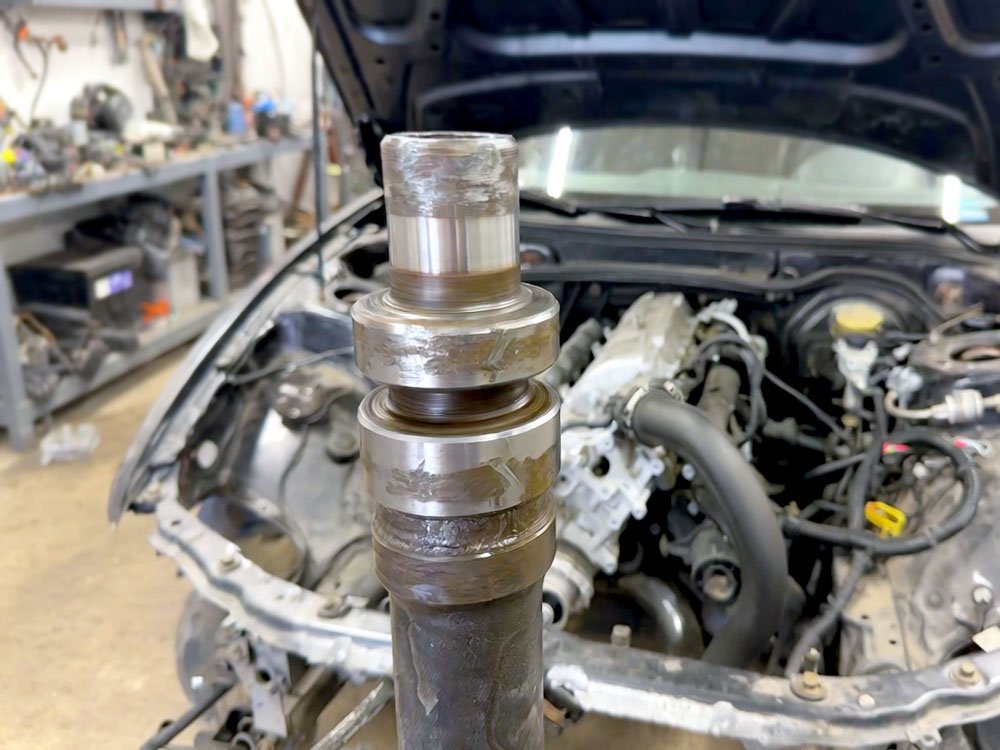
Main Signs of Worn Camshaft Lobe Symptoms in Your Engine
The Loud Tapping Sound That Never Quits
A bad camshaft lobe makes a very specific noise that sounds like a sewing machine. You’ll hear a rhythmic “tick-tick-tick” coming from the very top of the engine block. This happens because the flat lobe leaves a gap between the metal parts. They slam into each other instead of sliding smoothly like they should.
I’ve found that using a long screwdriver as a stethoscope helps you find the noise. Put the handle to your ear and touch the metal valve cover with the tip. You’ll feel the vibration exactly where the lobe is failing. If the sound gets faster when you rev the engine, you’re definitely looking at a mechanical wear issue.
Don’t confuse this with a simple loose bolt or a noisy fuel injector. Injectors make a soft click, but a worn lobe makes a heavy metallic thud. It sounds hollow and stays constant even after the engine warms up. If the noise is quiet when cold but loud when hot, the metal is expanding and hitting harder.
- Touch the valve cover to feel for rhythmic hitting.
- Listen for the sound to speed up with the engine.
- Use a piece of garden hose to pinpoint the ticking.
- Check if the noise stays after an oil change.
A Sudden Engine Misfire You Can’t Explain
When a lobe wears down, the valve doesn’t open all the way. This means the engine cylinder doesn’t get the right mix of air and gas. The spark plug fires, but there isn’t enough stuff inside to create a good explosion. Your car will feel like it’s tripping over its own feet while you drive.
In my shop, I see people change spark plugs five times trying to fix this. They think it’s an electrical problem because the computer says “misfire.” But if the metal is flat, no new spark plug can fix the lack of air. It’s a physical problem that requires a physical fix inside the engine.
You’ll notice the misfire most when the engine is under a heavy load. This means when you have friends in the car or you’re pulling a trailer. The engine needs more air then, but the tiny valve opening can’t provide it. The car will jerk and the check engine light might start flashing at you.
- Read the error codes to find which cylinder is failing.
- Feel the car shake while you’re idling at a stop.
- Notice the jerkiness when you try to pass someone.
- Check if the exhaust smells like unburnt raw gasoline.
Backfiring Through The Intake Or Exhaust
A worn lobe can mess up the timing of when the valves close. If an intake valve stays open too long, the explosion goes back into the air filter. You’ll hear a loud “pop” or “bang” coming from the front of the car. This is scary and can actually damage your plastic air intake parts.
If the exhaust lobe is the one wearing out, the “bang” happens in the tailpipe. The engine tries to push out hot gas, but the door isn’t open wide enough. Some of that gas stays inside and ignites at the wrong time. It sounds like a firecracker going off behind you while you drive down the street.
I always tell people to look for black soot where it doesn’t belong. If you see smoke coming out of the air box, that’s a huge red flag. It means the fire from the engine is traveling the wrong way. This only happens when the camshaft can’t control the valves properly anymore.
- Listen for loud pops coming from the engine bay.
- Watch for smoke puffing out of the air intake.
- Check the tailpipe for extra loud snapping noises.
- Look for melted plastic near the engine air intake.
Metal Glitter Hiding In Your Oil Pan
Your engine oil should look like honey or dark coffee, but it should be smooth. If you see tiny silver or gold flakes, that’s literally pieces of your engine. When a lobe wears down, the metal has to go somewhere. It falls into the oil and travels through the whole engine.
Pull your oil dipstick and hold it under a bright light or the sun. Move it around to see if anything sparkles on the metal stick. If it looks like a craft project, your camshaft is shedding its skin. This is very dangerous because those flakes can ruin your bearings and oil pump too.
I like to use a strong magnet on the bottom of the oil pan during a change. If the magnet comes away fuzzy with metal hair, you have a big problem. This proves that the hardened coating on the camshaft has failed completely. Once that coating is gone, the rest of the metal wears away like butter.
- Check the oil filter for trapped metal shards.
- Look at the dipstick under a very bright flashlight.
- Use a magnet to see if the metal flakes stick.
- Notice if the oil looks “metallic” or extra shiny.
Drastic Loss Of Power At High Speeds
You might find that your car feels okay around town but dies on the highway. This is because high speeds require the valves to move a lot of air. A worn lobe acts like a straw that’s been pinched shut. You can still breathe, but you can’t run a marathon while doing it.
If you push the gas pedal and the car just moans instead of moving, check the cam. The engine is literally suffocating because it can’t get the exhaust out or air in. It feels like you’re towing a heavy boat that isn’t actually there. Your top speed will get lower and lower every week.
I’ve seen cars that can’t even get over fifty miles per hour because of one flat lobe. The engine works so hard to do nothing, and it gets very hot. If your temperature gauge is climbing while your speed stays low, the cam is a likely suspect. It’s a frustrating feeling that makes the car feel old and tired.
- Test how long it takes to reach sixty miles per hour.
- Watch the heat gauge during long drives on the highway.
- Feel for a “flat” spot when you floor the gas.
- Listen for a wheezing sound when the engine revs high.
Visible Wear When You Remove The Cover
The only way to be 100% sure is to look with your own eyes. Removing the valve cover is usually just a few bolts and a gasket. Once it’s off, you can see the camshaft sitting right there. A healthy lobe looks like a shiny, smooth hill with a pointed top.
A worn lobe looks ugly, flat, and often has deep scratches or pits. You might see a “crescent moon” shape worn into the side of the metal. If the top of the hill is flat instead of pointy, it’s garbage. You can even run a fingernail across it to feel for any rough ridges.
Pro tip: look at the lifters or rockers that touch the cam too. If the cam is bad, the part it touches is almost always ruined as well. They wear together like a pair of shoes and a sidewalk. If you see any copper color peeking through the silver, the protective layer is long gone.
- Look for flat spots on the top of the lobes.
- Search for deep grooves or scratches in the metal.
- Check for a dull, matte finish instead of a mirror shine.
- Feel for rough edges with your finger while the engine is off.
Can You Drive With A Worn Camshaft For A While?
Driving with a flat lobe is a very bad idea for your wallet. It might start as a small tick, but it gets worse with every single mile. The metal flakes from the cam act like sandpaper inside your engine. They will scratch your cylinders and ruin your expensive oil pump very quickly.
If you keep driving, the misfire could also melt your catalytic converter. That’s a very expensive part that cleans your exhaust. A hundred dollar camshaft problem can easily turn into a five thousand dollar engine replacement. It’s much better to park the car and fix it now than to wait for it to die.
You also risk the valve getting stuck or hitting a piston. If the timing gets bad enough, the engine can basically eat itself from the inside. You’ll hear a huge “clunk” and the car will never start again. Save yourself the stress and get it checked the moment you hear that first ticking sound.
- Stop driving if the check engine light starts flashing.
- Change your oil immediately to see how much metal is inside.
- Avoid high speeds or heavy loads until you fix the part.
- Check your spark plugs for signs of oil or soot buildup.
- Listen for the ticking to get louder when the car is idling.
- Ask a mechanic for a “compression test” to see the damage.
Final Thoughts
Getting a handle on worn camshaft lobe symptoms early saves you so much money. It feels like a big job, but it’s just a part of keeping an older car happy. You can do this if you take your time and follow the right steps. Just remember to keep your oil clean and listen to what your car tells you. You’ve got this, so go grab your tools and start checking!
| Symptom | What It Sounds Like | What It Feels Like | Risk Level |
| Tapping Noise | Metal hitting metal | Vibration in the floor | Medium |
| Engine Misfire | Stuttering or popping | Shaking at red lights | High |
| Loss of Power | Wheezing or gasping | Heavy and slow response | High |
| Metal Flakes | No sound | Gritty feeling in oil | Critical |
| Backfiring | Loud firecracker bang | Sudden jerking | Medium |
| Check Engine | Beeping or silent | Car runs in “limp” mode | Medium |
Frequently Asked Questions (FAQs)
Is it expensive to fix a worn camshaft lobe?
Yes, it can be a bit pricey because it takes a lot of labor time. You usually have to take the top half of the engine apart to reach the part. The camshaft itself might cost a few hundred dollars, but the work can take a whole day. You also have to replace the lifters at the same time.
Can I just change the oil to fix the noise?
Changing the oil might make the noise quieter for a few minutes, but it won’t fix the metal. Once the lobe is flat, the metal is gone forever. New oil can’t grow back the metal that rubbed off. You need to replace the part to actually solve the problem and stop the ticking.
Do I need to replace the whole engine?
No, you usually don’t need a whole new engine if you catch it early. As long as the metal flakes didn’t ruin the bearings, you can just swap the cam. However, if you wait too long, the metal dust will travel everywhere. Then you might need a full rebuild which costs a lot more.
Is it okay to use thicker oil to stop the wear?
Some people use thicker oil to hide the tapping sound, but it’s a temporary fix. Thicker oil might stay on the metal better, but the flat spot is still there. It won’t fix the power loss or the misfires. In fact, oil that is too thick might not reach the top of the engine fast enough.
Can a bad camshaft cause a car to fail an emissions test?
Yes, it definitely will because the engine isn’t burning fuel the right way. A worn lobe messes up the air and fuel mix, which creates extra pollution. Your car will release too much raw gas into the air. This will trigger the sensors and make you fail your state inspection or smog test.
Do I always have to replace the lifters too?
Yes, you must always put new lifters on a new camshaft. Think of them like a new pair of shoes and socks. If you put old, worn lifters on a smooth new cam, they will scratch it immediately. Most companies won’t even give you a warranty unless you buy both parts together at once.
Can I see the damage without taking the engine apart?
You can usually see the lobes just by taking off the valve cover. This is a simple cover on the very top of the engine. It’s not a “deep” repair to just look at it. Most cars only have about eight to ten bolts holding that cover on. It’s the best way to be sure.
Is this a common problem for all cars?
It happens more often in older cars with “flat tappet” designs. Modern cars use rollers that spin, so they don’t wear down as often. However, if you never change your oil, even a modern car can have this issue. Poor maintenance is the number one cause for cams going bad in any vehicle.